Our Initiatives
Projects We Have Successfully Implemented
Purba Durgapur Welfare Society works in various sectors including education, health, women empowerment, livelihood development, environment protection and community welfare.
Water & Sanitation
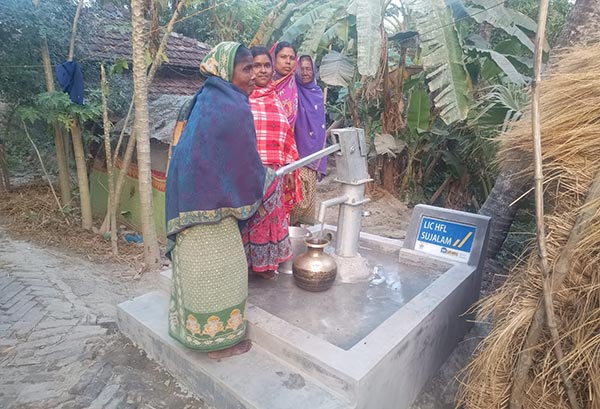
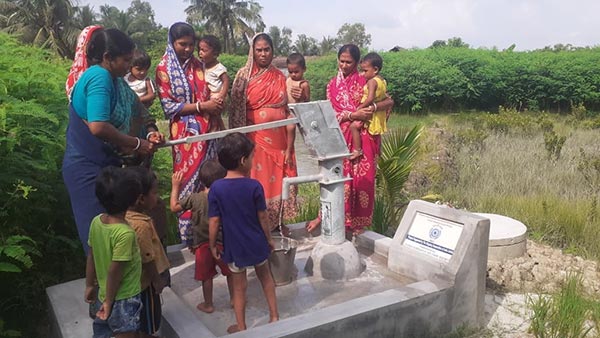
Project : Installation of Tube Wells with Hand Pumps for Clean Drinking Water in Shibrampur Gram Panchayat, Namkhana Block, South 24 Parganas, West Bengal.
Access to safe drinking water is fundamental to healthy and resilient communities. With the generous support of LIC Housing Finance Limited, 5 tube wells with hand pumps were installed across five villages in Shibrampur Gram Panchayat, Namkhana Block, South 24 Parganas, ensuring a reliable source of clean drinking water for 3,238 rural residents.
The initiative has transformed daily life by reducing dependence on unsafe water sources, lowering the incidence of waterborne diseases, and promoting improved health and hygiene practices. It has also eased the burden of water collection, particularly for women and girls, allowing them to devote more time to education, livelihoods, and family well-being. Complemented by community awareness programmes on safe water use and hygiene, the project has strengthened local ownership, enhanced resilience to water-related challenges, and created a sustainable foundation for healthier communities in the Sundarbans.
Water & Sanitation
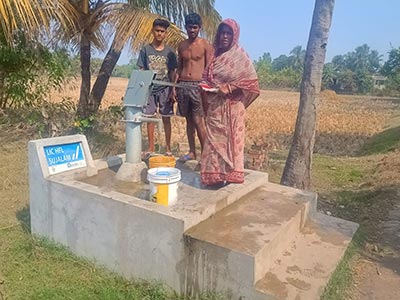
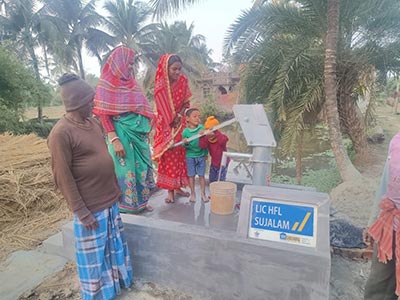
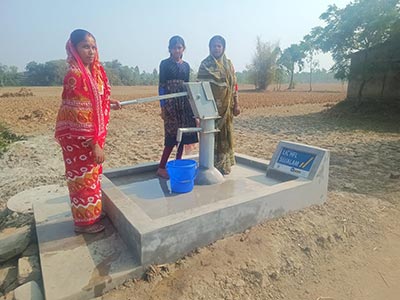
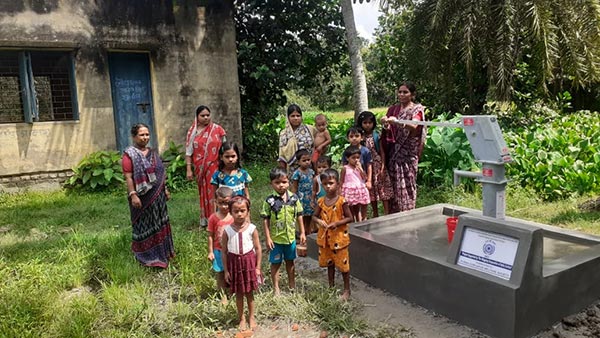
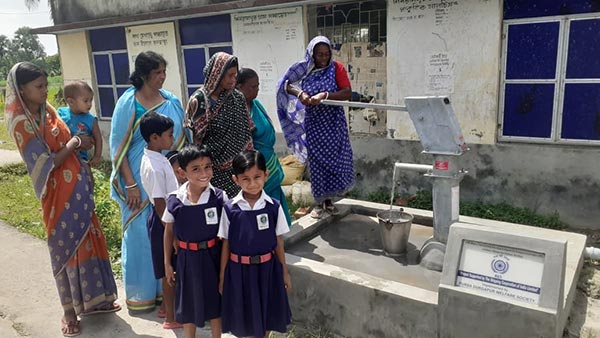
Project : Drinking Water Access Improvement for ICDS Centres in Sundarbans – Shibrampur Gram Panchayat
With the support of Shipping Corporation of India Limited, 15 deep tube wells (1000–1200 ft) with hand pumps on elevated platforms were installed at ICDS Centres in Shibrampur Gram Panchayat, Namkhana Block, South 24 Parganas, West Bengal. The project has provided safe and reliable drinking water to more than 7,600 beneficiaries, including children, pregnant and lactating mothers, and local community members. The intervention has improved health, hygiene, and nutrition, reduced the risk of waterborne diseases, strengthened flood resilience through elevated infrastructure, and promoted community ownership for the sustainable operation and maintenance of the water facilities.
Water & Sanitation
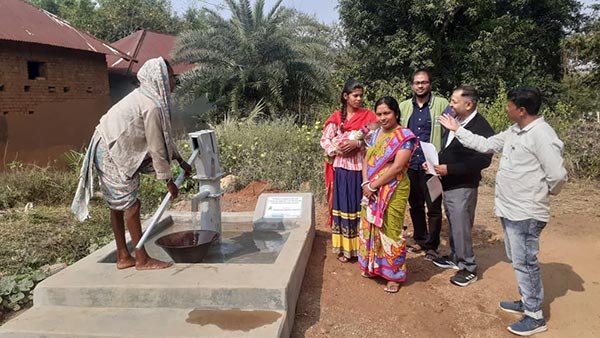
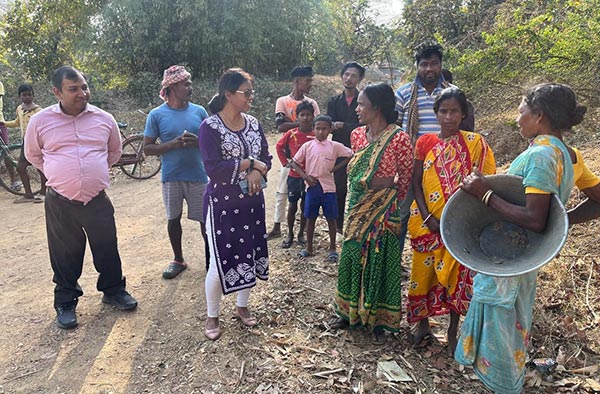
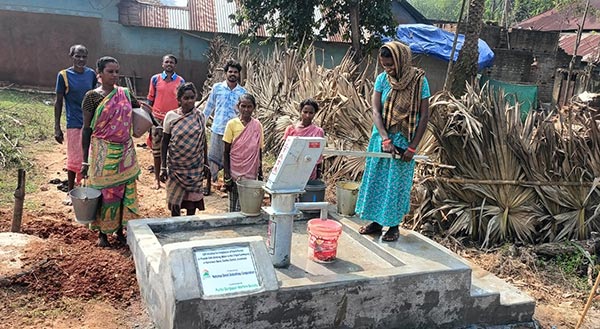
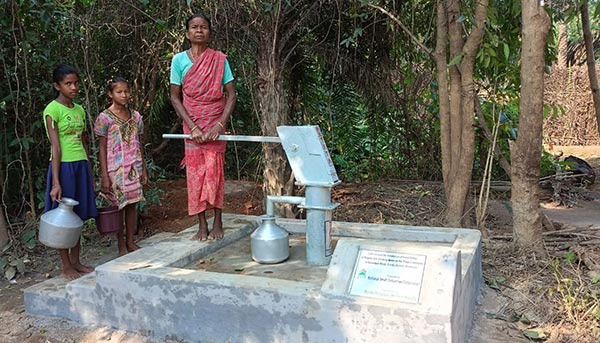
Project : Sinking of Hand Pumps for Safe Drinking Water to Tribal Communities in Ranishwar Block, Dumka District, Jharkhand
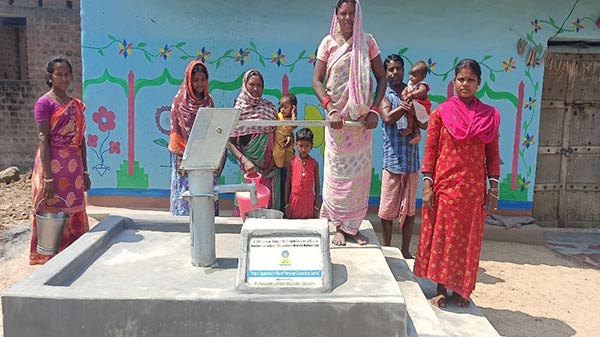
With the support of The National Small Industries Corporation Limited, 10 hand pumps were installed across 10 villages in Bilkandi Gram Panchayat, Ranishwar Block, Dumka District, Jharkhand, to provide safe and sustainable drinking water to tribal communities. The project has benefited 908 families (approximately 3,633 people) by improving access to clean drinking water, reducing the incidence of waterborne diseases, enhancing health and hygiene, and saving time spent on water collection, particularly for women and children. Community participation in the operation and maintenance of the hand pumps has strengthened local ownership and ensured the long-term sustainability of the intervention.
Water & Sanitation
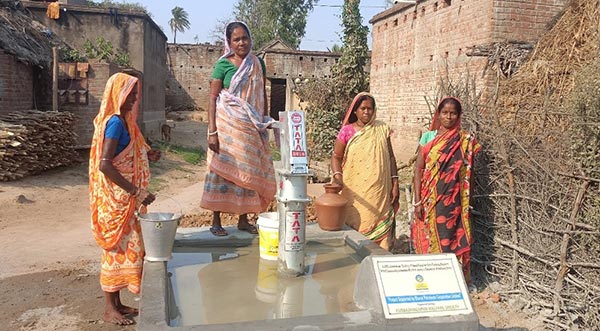
Project : Installation of 20 Tube Wells for Safe Drinking Water to Tribal Communities in Kundhit Block, Jamtara District, Jharkhand
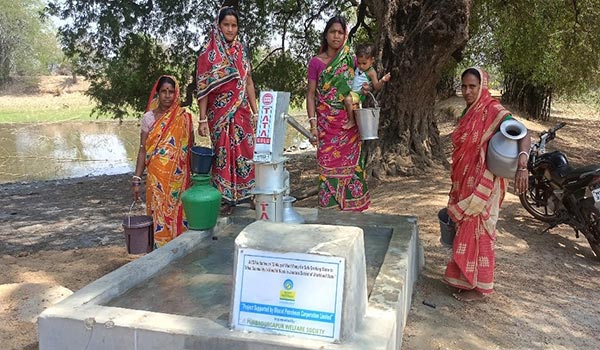
With the support of Bharat Petroleum Corporation Limited, 20 tube wells were installed in tribal villages of Kundhit Block, Jamtara District, Jharkhand, to provide safe and sustainable drinking water. The project has benefited approximately 2,262 families (around 11,312 people) by improving access to clean drinking water, reducing the risk of waterborne diseases, saving time spent on water collection, and promoting better health, hygiene, and community participation for the long-term maintenance of the facilities.
Environmental Sustainability & Community Development
Beyond its core development programmes, the organization is committed to promoting environmental sustainability, community resilience, and inclusive rural development through a range of impactful initiatives. To encourage the use of clean and renewable energy, the organization has installed solar street lights in remote and underserved villages. These installations improve public safety, enhance mobility during night hours, and reduce dependence on conventional sources of electricity while contributing to a cleaner environment. The organization regularly undertakes tree plantation and environmental conservation drives with active participation from local communities, schools, and youth groups. These initiatives help increase green cover, strengthen biodiversity, improve air quality, and support climate resilience in ecologically vulnerable regions.
Recognizing the importance of sustainable livelihoods, the organization conducts skill development and livelihood training programmes for women and youth in various trades. These programmes enhance employability, promote entrepreneurship, and create opportunities for sustainable income generation and economic self-reliance. The organization also organizes health awareness programmes and medical camps, providing preventive healthcare services, health screenings, and awareness on nutrition, hygiene, sanitation, and disease prevention. These interventions improve access to essential healthcare services and contribute to healthier communities, particularly in remote rural areas. Through these integrated initiatives, the organization continues to foster sustainable development by combining environmental stewardship, renewable energy, livelihood promotion, and community health. Together, these efforts strengthen resilience, improve quality of life, and create lasting social and environmental impact across the communities it serves.
Disaster Response & Management
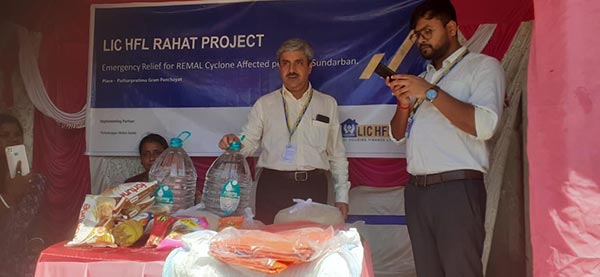
Project : LIC HFL RAHAT – Emergency Relief for Cyclone Remal Affected Communities in the Sundarbans
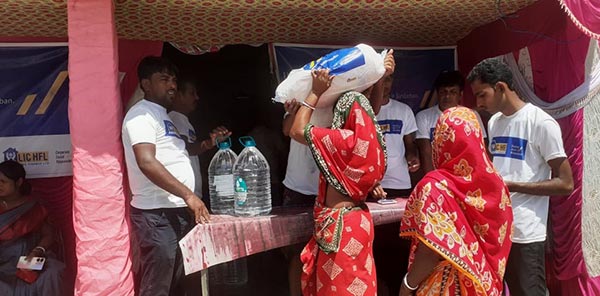
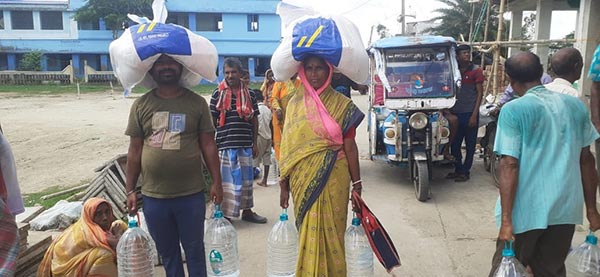
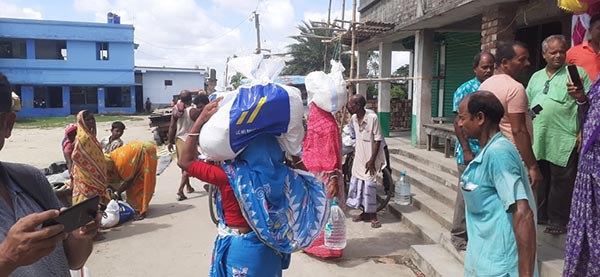
The LIC HFL RAHAT project was implemented to provide emergency relief to families affected by Cyclone Remal in Sagar and Patharpratima Blocks of the Sundarbans, West Bengal. The initiative reached 4,000 vulnerable households with essential food and non-food relief materials to support their immediate recovery.
Relief assistance included rice, dal, edible oil, drinking water, dry food, tarpaulins, mosquito nets, and other essential household items, helping families cope with the loss of homes, livelihoods, and basic necessities caused by the cyclone. The timely intervention reduced immediate hardship, supported the restoration of safe living conditions, and strengthened the resilience of disaster-affected communities during the recovery period.
Sustainable Livelihood
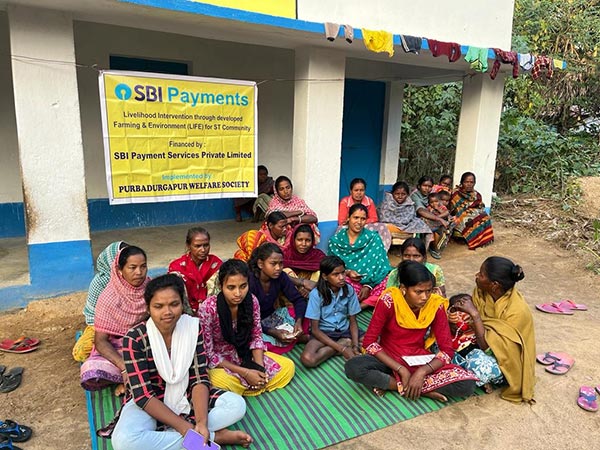
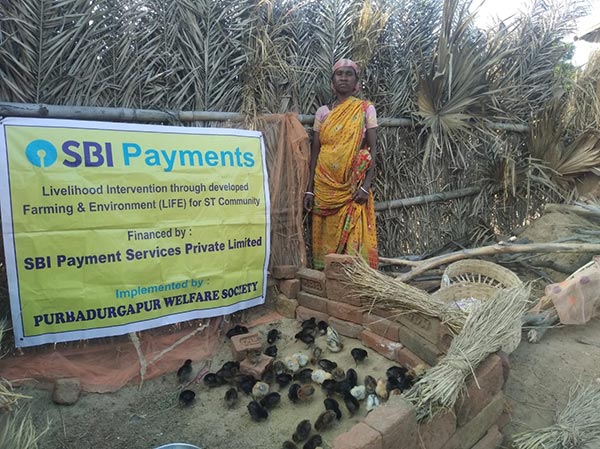
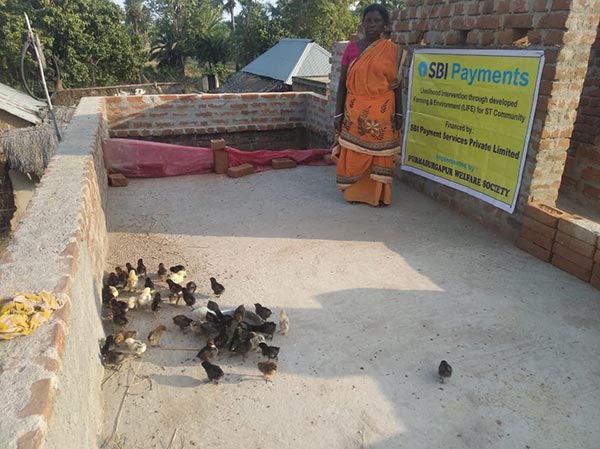
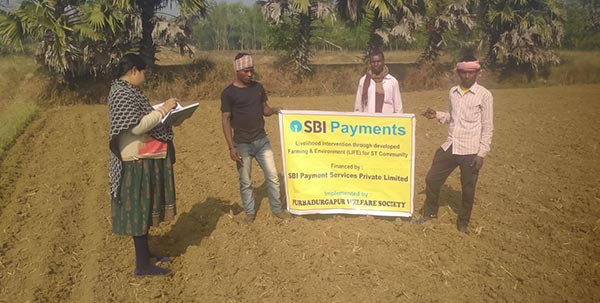
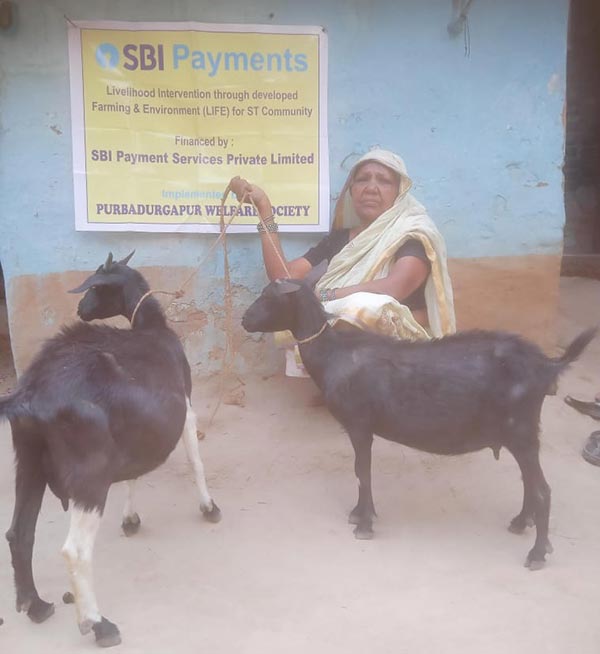
Project : Livelihood Intervention through Developed Farming & Environment (LIFE) for ST Community
With the support of SBI Payment Services Limited, the LIFE Project was implemented in Rajnagar Block, Birbhum District, West Bengal, to strengthen the livelihoods of Scheduled Tribe (ST) communities through sustainable agriculture, livestock development, and environmentally friendly farming practices. The project covered 135 tribal households, promoting climate-resilient agriculture, financial inclusion, and community empowerment.
The intervention included goat rearing support (10 beneficiaries with 2 goats each), chick rearing support (60 beneficiaries with 50 chicks each), kitchen garden seed support (50 beneficiaries), and agricultural seed support (15 beneficiaries). Beneficiaries also received technical training, capacity building, awareness on government welfare schemes, and guidance on sustainable farming practices.
The project achieved a 25% reduction in seasonal migration, a 30% increase in sustainable household income. 135 beneficiaries gained technical knowledge in sustainable agriculture and livestock management. The initiative improved food security, nutrition, environmental sustainability, and community participation, enabling tribal families to build resilient, self-reliant, and sustainable livelihoods.

Water & Sanitation
Project : Installation of Tube Wells for Safe Drinking Water in Sagar Block, Sundarbans
In 3 villages of Sagar Block, Sundarbans, piped drinking water has yet to reach rural households, making tube wells the primary source of safe drinking water. Recognizing this critical need, Purba Durgapur Welfare Society (PWS), with the support of Peerless General Finance & Investment Company Limited, installed 3 tube wells in selected schools and surrounding communities to ensure access to safe and reliable drinking water.
The project has directly benefited 3,821 people, including students, teachers, and local residents. By providing a dependable source of clean drinking water, the initiative has improved health and hygiene, reduced dependence on unsafe water sources, lowered the risk of waterborne diseases, and strengthened water security for the community.
Disaster Response & Management
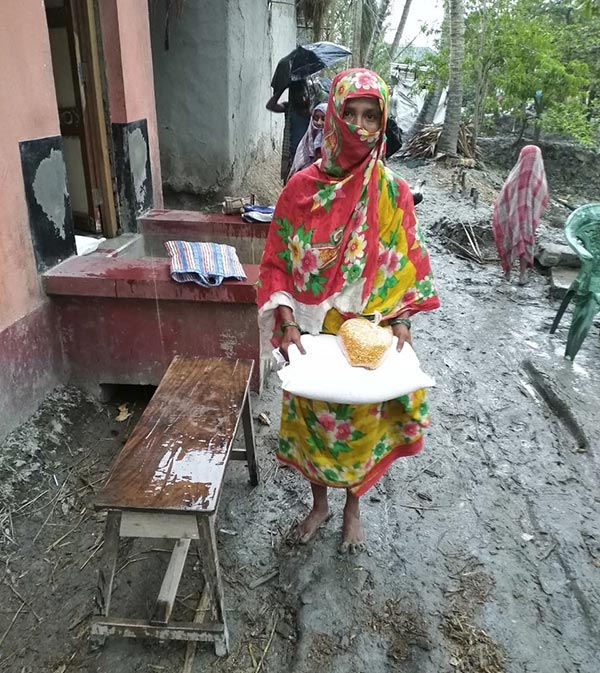
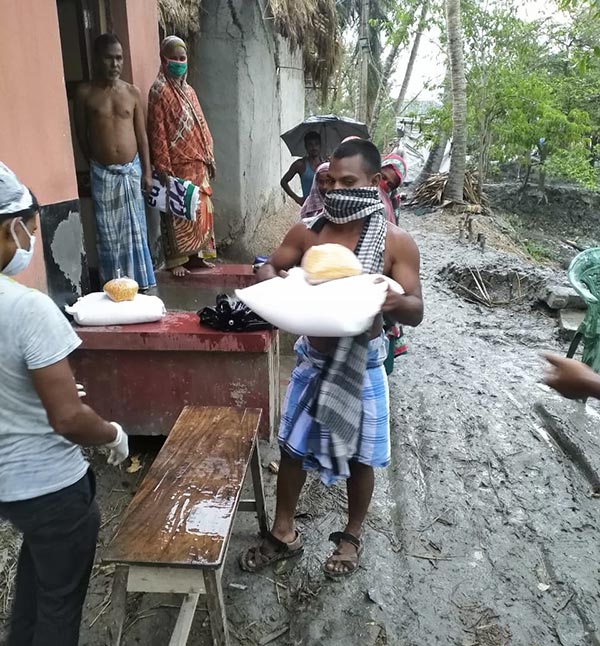
Project : COVID-19 Emergency Relief and Dry Ration Distribution Programme
Access to safe drinking water is fundamental to healthy and resilient communities. With the generous support of LIC Housing Finance Limited, 5 tube wells with hand pumps were installed across five villages in Shibrampur Gram Panchayat, Namkhana Block, South 24 Parganas, ensuring a reliable source of clean drinking water for 3,238 rural residents.
The initiative has transformed daily life by reducing dependence on unsafe water sources, lowering the incidence of waterborne diseases, and promoting improved health and hygiene practices. It has also eased the burden of water collection, particularly for women and girls, allowing them to devote more time to education, livelihoods, and family well-being. Complemented by community awareness programmes on safe water use and hygiene, the project has strengthened local ownership, enhanced resilience to water-related challenges, and created a sustainable foundation for healthier communities in the Sundarbans.
Health & Livelihood
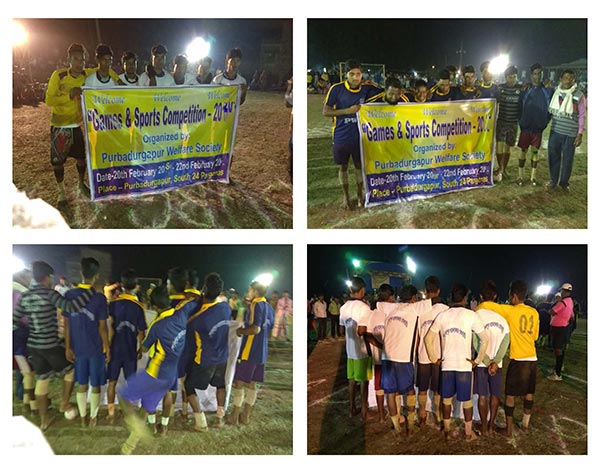
Project : Youth Development and Sports Promotion Programme
With the support of the Department of Youth Services & Sports, Government of West Bengal, the organization has been promoting youth development through sports, physical fitness, and community engagement. The programme encourages young people to participate in sports and recreational activities while fostering discipline, teamwork, leadership, and healthy lifestyles.
The initiative includes the organization of sports tournaments, fitness and awareness programmes, youth leadership activities, and community sporting events, creating opportunities for rural youth to develop their talents and build confidence. Through these interventions, the programme contributes to social inclusion, positive youth engagement, and the overall physical and mental well-being of young people in the community.